TRAUMA & PTSD THERAPY
Trauma wrote a rule your nervous system still enforces.
Even when the room is safe.
Trauma is not weakness, overreaction, or something you should be over by now. It is a nervous system that survived something and is still on duty. We treat PTSD and complex trauma with evidence-based, trauma-focused therapies delivered with care and pace, so the past stops running the present.
Get help and send us a simple note
Trauma & PTSD Symptoms
Signs of trauma: the nervous system still on duty.
If you’ve searched PTSD symptoms, complex trauma, am I overreacting, or why do small things set me off, you already know something about your baseline is different. Trauma doesn’t always look like the movie version. Here is what it actually looks like from the inside.
01
Hypervigilance. You scan rooms, read faces, track exits, notice tone shifts. You call it observant. Your body calls it survival.
04
Sleep is off: trouble falling asleep, trouble staying asleep, nightmares, waking at 3 a.m. with your heart racing. The body doesn’t let down because it hasn’t been told it’s safe.
02
Sudden flashbacks, intrusive images, or body memories show up without warning. A smell, a sound, a posture, a tone of voice, and you’re half in a place you thought you’d left.
05
You feel emotionally numb, disconnected, or like you’re watching your life from behind glass. Or you feel everything, all the time, at full volume. Often both, depending on the day.
03
You avoid people, places, conversations, or even thoughts connected to what happened. The avoidance worked, briefly. It also shrunk your life around it.
06
You carry a quiet belief the world installed: “it was my fault,” “I can’t trust anyone,” “I’m broken,” “I’m not safe.” You know intellectually it’s not true. The feeling didn’t get the memo.

What is Trauma?
Not weakness. Not drama. A nervous system response.
Trauma is what happens inside you as a result of what happened to you. PTSD is the clinical pattern that develops when the nervous system’s survival response doesn’t fully shut off after the threat is gone. It affects roughly 6% of U.S. adults at some point in their lives, and complex trauma (from prolonged or repeated events) is even more common and often under-diagnosed.
PTSD symptoms cluster into four groups: re-experiencing (flashbacks, intrusive memories, nightmares), avoidance (of reminders, thoughts, conversations), negative changes in mood and belief (“I’m broken,” “I can’t trust anyone,” “it was my fault”), and hyperarousal (hypervigilance, startle response, sleep disturbance, irritability).
The trap isn’t what happened. It’s that the nervous system is still reacting as if it’s happening now.
Complex trauma (CPTSD) develops from prolonged or repeated trauma (childhood abuse, domestic violence, chronic medical trauma, systemic harm). It adds difficulty with emotion regulation, disrupted self-concept, and disturbed relationships to the standard PTSD picture. It is equally treatable, it just often needs a different pace and sequence.
The good news: trauma and PTSD are highly treatable with the right approach. The three trauma-focused therapies recommended by the major clinical guidelines are Cognitive Processing Therapy (CPT), Prolonged Exposure (PE), and Eye Movement Desensitization and Reprocessing (EMDR). We draw on these alongside Acceptance & Commitment Therapy (ACT), matching the approach to what your symptoms are actually organized around.
Our Approach to Trauma Treatment
Trauma focused therapy + ACT: paced, evidence-based, values-driven.
Trauma work requires more than talking about what happened. The goal is to help your nervous system update its rules without re-traumatizing you in the process. We match the modality to the shape of your symptoms.
01
Notice
See the rule the trauma wrote.
We map your specific trauma pattern: the triggers, the intrusive material, the avoidance, the beliefs installed, the physical arousal, the places in your life where the rules are still running. We also identify what grounding and stabilization skills you need first.
02
Unhook
Stop treating the nervous system as a prophet.
This feels dangerous is data from the past, not the present. Through cognitive defusion, present-moment awareness, CPT-informed belief work, and interoceptive regulation, you learn to recognize the nervous system’s alarms without automatically obeying them.
03
Act
Update the rules, at the pace your body can hold.
Through the trauma-focused protocol that fits your symptoms (CPT for stuck beliefs, PE or imaginal exposure for intrusive material, EMDR-informed work for unresolved memory, values-based committed action for the shrunk life), you update the rules your nervous system has been enforcing. Pace is collaborative. You’re never running toward what will overwhelm you.
Why Choose a Trauma Specialist
Trauma specialists, not general practitioners.
Trauma needs more than empathy. It needs specific, evidence-based protocols delivered by clinicians who know how to pace the work.

Published Experts in ACT & Exposure-Based Therapy
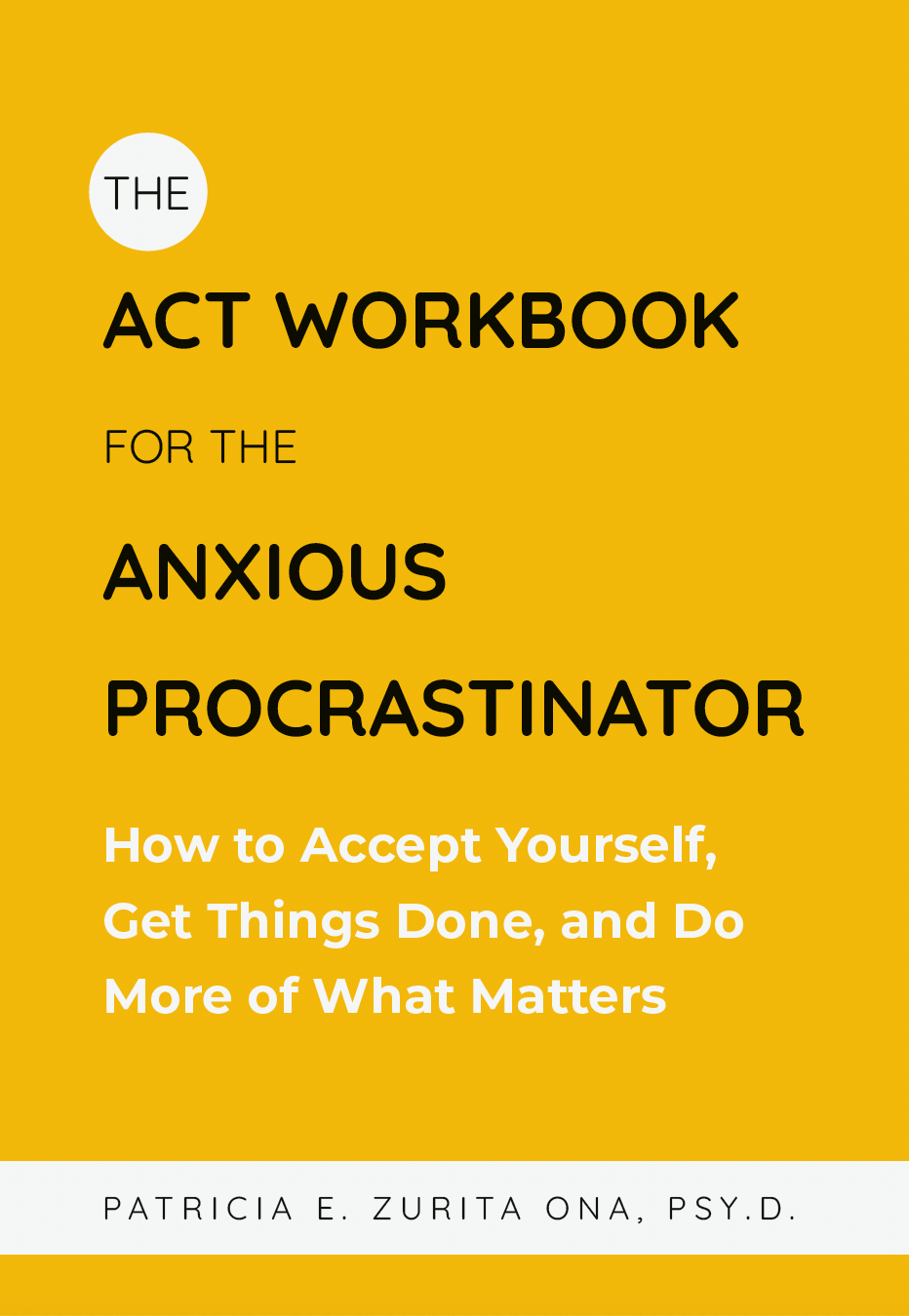
Our founder, Dr. Patricia Zurita Ona, has authored foundational books on Acceptance & Commitment Therapy for anxiety and trauma-related struggles. You’re learning from clinicians who’ve shaped evidence-based care.

Values-Driven, Not Symptom-Only
“Make the symptoms stop” is only half the work. We also focus on what your life looks like on the other side: the relationships, the work, the rest, the parts of yourself the trauma crowded out.

Paced, Not Punishing
Trauma work doesn’t require being retraumatized. We stabilize first, then approach the work gradually, using the modality that fits your symptoms. You’re always in the driver’s seat.
In-Person and Online
Weekly therapy in Walnut Creek, an Intensive Outpatient Program (IOP) for faster progress, telehealth trauma therapy across California, and ACT coaching beyond California.
How Trauma Therapy Works With Us
From first call to a nervous system that can rest.
You don’t have to tell us the whole story to begin. Here is what actually happens, step by step.
01
Book your intake.
Schedule online or by phone. No gatekeeping calls. We know reaching out is already work.
03
Stabilize, then approach.
Before any trauma processing, we build the skills you need to stay regulated: grounding, present-moment anchoring, emotion regulation. Then we move into the trauma-focused work at a pace your body can hold.
02
Map what’s happening now.
Your first full session focuses on current symptoms, not the full trauma narrative. We identify what’s organizing your struggle right now so we can choose the right modality.
04
Update the rules, in real life.
Between sessions, you practice new responses to old triggers, return to values-based activities the trauma had crowded out, and keep the nervous system learning that now is not then.
From Our Clients
I’d been in trauma informed therapy for years without ever actually doing trauma work. This was the first place that paced it, named it, and let me approach it without being overwhelmed. I still have a history. It just stopped running my present.
Meet Your Trauma Therapists
Clinicians who’ve spent years treating PTSD and complex trauma.

Dr. Patricia Zurita Ona
DIRECTOR LICENSED PSYCHOLOGIST
Also known as Dr. Z. Author of seven books on ACT for anxiety disorders, including workbooks for OCD, perfectionism, and emotional regulation. International ACT trainer and TEDx speaker on evidence-based anxiety treatment.

Dr. Caitlyn Lambert Holmes
LICENSED PSYCHOLOGIST ANXIETY THERAPIST
Works with adults and teens navigating social anxiety disorder, OCD, panic, and related anxiety-based struggles.. Trained in ACT-based exposure therapy and committed to values-driven care.

Edlin Montero
BEHAVIORAL COACH
Supports anxiety therapy clients between sessions with ACT skills practice, accountability, and real-world application. A bridge between the therapy room and the rest of your week.
Common Questions
The honest answers.
Do I have to talk about what happened?
Not at first, and not ever in detail you don’t want to share. The work is about updating what your nervous system is doing now, not producing a narrative on demand. Some modalities involve organized memory work over time. We choose the approach together, at your pace.
What if I don't have "capital-T" trauma?
Trauma is defined by its effect on you, not by whether it qualifies as dramatic. Chronic emotional neglect, medical trauma, relational harm, and repeated stress can all produce trauma symptoms. If it’s organizing your life now, it’s worth treating.
Do you offer EMDR, CPT, and Prolonged Exposure?
Yes, across our clinical team. We match the modality to your symptom pattern. Some clients respond best to CPT (belief-focused), some to PE or imaginal exposure (memory-focused), some to EMDR-informed work, and some to an ACT-centered approach. We discuss the options with you directly.
How long does trauma treatment usually take?
Most evidence-based trauma protocols run 12-20 sessions. Complex trauma often needs a longer stabilization phase before memory work. Our Intensive Outpatient Program (IOP) can accelerate progress for clients who want to go faster.
Do you offer in-person, online, or both?
Both. In-person at our Walnut Creek, CA office, telehealth across California, and ACT coaching (non-therapy) beyond California.
Do you work with teens?
Yes. Several of our clinicians specialize in trauma work with adolescents, including trauma-focused CBT adapted for younger clients.
Ready When You Are
You’ve been managing it. What if you didn’t have to?
One conversation with our intake team. No pressure. No commitment. Just a clear answer about whether this is the right fit, from people who treat trauma and PTSD every day.