Behavior change, Cognitive Behavioral Therapy, Emotion Regulation, Empirically supported treatments
On November 8th, 2012 a new DBT skills module on Emotion Regulation will start at the East Bay Behavior Therapy Center. Emotion regulation skills refer to the “ability to control one’s response to emotions.” Emotions are complex systems formed by...
Anxiety, Behavior change, Cognitive Behavioral Therapy, Empirically supported treatments, Interpersonal problems, Uncategorized
Since 2001 the US government has been involved in combat in Operation Iraqi Freedom and Operation Enduring Freedom (OIF/OEF) in Iraq and Afghanistan related to the Global War on Terror. As of September 2010 over 1.9 million U.S. service members have been deployed to...
Acceptance and Commitment Therapy, Anxiety, Behavior change, Cognitive Behavioral Therapy, Empirically supported treatments, Obsessive Compulsive Disorder, OCD series: adults
In the past some academicians and clinicians discussed the difference among “health anxiety, somatic obsessions, or hypochondriasis” while others have looked at their commonalities (e.g. Taylor & Asmundson, 2004). Clinically speaking, all these terms...
Acceptance and Commitment Therapy, Anxiety, Behavior change, Cognitive Behavioral Therapy, Emotion Regulation, Empirically supported treatments, Obsessive Compulsive Disorder
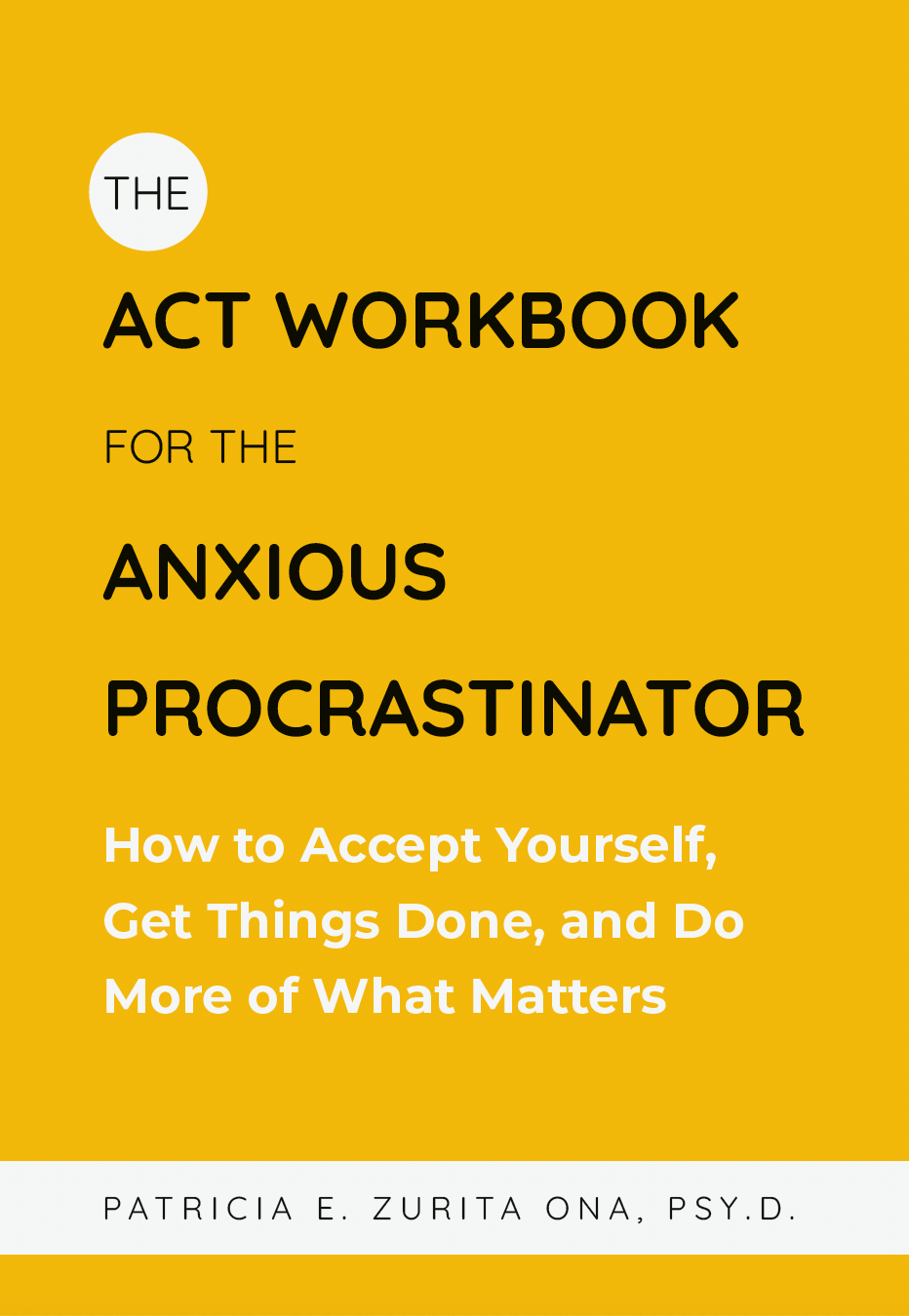
Procrastination refers to intentionally, volitionally delaying or putting off tasks, activities, projects despite their importance and negative consequences in your day-to-day life. These tasks could be related to work, school performance, daily living (laundry,...
Anxiety, Behavior change, Emotion Regulation
Approximately 3 years ago, I had the opportunity to listen to James Gross, Ph.D. at the annual conference of the Association for Contextual Behavioral Science in Reno, Nevada. Dr. Gross, an emotion theorist and researcher in Stanford, has conducted multiple studies on...