Anxiety, Behavior change, Emotion Regulation
Approximately 3 years ago, I had the opportunity to listen to James Gross, Ph.D. at the annual conference of the Association for Contextual Behavioral Science in Reno, Nevada. Dr. Gross, an emotion theorist and researcher in Stanford, has conducted multiple studies on...
Behavior change, Cognitive Behavioral Therapy, Emotion Regulation, Interpersonal problems, Parent series: social anxiety
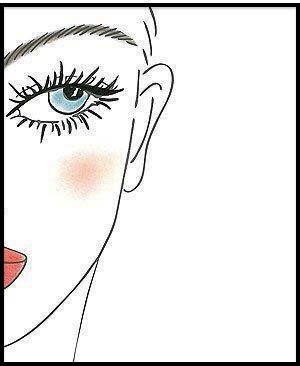
Did you hear the term “ideopathic craniofacial erytheme?” This is a medical term to describe severe facial blushing that can be easily triggered. From time to time in my clinical work with clients struggling with social phobia/anxiety I hear the question:...
Behavior change, Cognitive Behavioral Therapy, Emotion Regulation, Interpersonal problems
According to the Anxiety Disorders Association of America (ADAA) approximately about 15 millions of adults in the United States have social anxiety, and 36% of them report symptoms for 10 years or longer. More often than not social anxiety is underdiagnosed and...
Behavior change, Emotion Regulation
Before you start reading this post about “validation” please see the following youtube video: [youtube https://www.youtube.com/watch?v=Aks0bco7IQQ] I found this short-film to be a great reminder of the importance of validation in the context of...
Behavior change, Emotion Regulation, Exposure
The first time I heard the term “emotion phobia” was when I was a graduate student and attended a workshop on Dialectical Behavior Therapy (DBT) given by Marsha Linehan, Ph.D. Over the years in my career as a Clinical Psychologist I’ve become more...